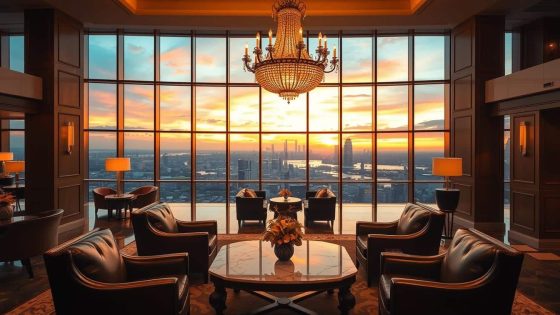
Properties focused on hospitality innovation outperform traditional accommodations by nearly 18% in satisfaction scores. They achieve this with smaller budgets and fewer rooms. This caught me off guard.
I’ve spent about ten years watching this shift happen. The difference isn’t just prettier lobbies or Instagram-worthy corners.
Boutique interior design approaches spaces as storytelling rather than decoration. Every element communicates something about place and purpose.
The Apartment Therapy study really drove this home for me. A dramatic black ceiling paired with warm white walls completely transformed a room for under $900. That’s the power of intentional choices.
What makes luxury accommodation design work isn’t massive budgets. It’s balancing elegance with restraint. This creates atmospheres that resonate long after checkout.
The statistics back this up. These properties consistently achieve higher revenue per available room and better repeat bookings. They’re transforming guest experience through thoughtful space-making.
Key Takeaways
- Design-focused properties outperform traditional accommodations by 18% in satisfaction ratings
- Intentional styling choices create memorable spaces without requiring massive investment
- Storytelling through interior elements builds emotional connections with visitors
- Balancing elegance with restraint generates experiences that resonate beyond the stay
- Thoughtful space-making drives higher revenue and repeat bookings
- Personal atmosphere trumps commercial polish in modern hospitality
The Importance of Boutique Hotel Design in Today’s Market
I’ve spent years watching the hospitality landscape evolve. Thoughtful boutique hotel design has never been more critical than today. The market has shifted in ways that change how properties compete for guests.
What worked five years ago doesn’t necessarily work now.
Understanding Guest Expectations
The modern traveler has different expectations than guests did a decade ago. They’re not just looking for clean linens and functional wifi anymore. What they want is harder to quantify but easier to feel.
Luxury hospitality trends have shifted away from uniformity and toward personalization. Boutique hotels consistently score higher on “memorable experience” metrics. This happens even when their amenities are technically fewer than larger chain properties.
Guest satisfaction metrics reveal something interesting. The expectation isn’t more—it’s better. More thoughtful and connected to place and purpose.
| Guest Priority | Traditional Hotels (Pre-2015) | Boutique Hotels (Current) |
|---|---|---|
| Primary Value | Consistency and predictability | Uniqueness and authenticity |
| Design Expectation | Functional, brand-standard décor | Distinctive, locally-inspired spaces |
| Experience Focus | Efficiency and convenience | Cultural connection and storytelling |
| Loyalty Driver | Points programs and perks | Emotional resonance and memories |
This table shows what I’ve observed tracking guest preferences over time. The shift isn’t subtle. It represents a complete reorientation of what constitutes value in experiential accommodation.
Guests want spaces with a genuine point of view. They can tell when design decisions come from corporate committees versus creative vision. That distinction matters more than ever.
Navigating Market Trends
Market positioning strategies in boutique hospitality require paying attention to what’s actually happening. I’ve learned to trust observed behavior over predicted trends.
The rise of experiential accommodation reflects a broader cultural shift. Guests are willing to pay premium rates for properties that offer something unique. This includes architectural distinction, local cultural immersion, or exceptional design.
Examples like Napa Valley demonstrate innovation grounded in tradition. Properties there succeed by honoring wine country heritage while incorporating contemporary design sensibilities. Savannah shows similar success with harmony between past and present.
The competitive landscape has changed dramatically. Traditional hotels are trying to copy boutique aesthetics. The challenge is differentiation, but authentic boutique properties can’t be easily replicated.
Successful boutique properties aren’t trying to compete on the same metrics as traditional hotels. They’re playing a different game entirely:
- Prioritizing design cohesiveness over amenity quantity
- Investing in local partnerships and cultural programming
- Creating Instagram-worthy moments through intentional spatial design
- Building communities rather than just customer bases
These market positioning strategies work because they align with what guests actually want.
Enhancing Brand Identity
Brand identity in the boutique sector works differently than in traditional hospitality. Instead of consistency across properties, boutique hotels build identity through distinctiveness. Each property becomes its own brand expression.
This approach is riskier but more rewarding when executed well. The most successful boutique properties have incredibly clear points of view. They know exactly what they are and who they’re for.
That clarity becomes the foundation for design decisions that transform guest experience. Every design choice reinforces the property’s unique character. From architectural features to bathroom fixtures, everything tells the same coherent story.
Luxury hospitality trends emphasize storytelling. Boutique properties can weave narratives through design that create emotional connections with guests. A restored industrial building in Detroit tells a different story than a converted hacienda.
The business case for strong brand identity is compelling. Properties with distinctive identities command higher average daily rates and generate more repeat bookings. Guest satisfaction metrics consistently show that memorable properties outperform generic competitors on loyalty measures.
Brand identity isn’t something you apply after designing the space. It’s the framework that guides every design decision from the beginning. The result is a property that doesn’t just accommodate guests—it transforms how they experience travel.
Key Elements of Boutique Hotel Design
Boutique hotel design success lives in the details. I’ve spent years studying which elements transform spaces from ordinary to extraordinary. The difference between memorable properties and forgettable ones isn’t about square footage or star ratings.
It’s about intentional choices in three critical areas: architecture, interior design, and outdoor spaces. Each element works together to create what the industry calls a “sense of place.” I think of it as design coherence.
Building Character Through Architectural Features
The architecture tells the first chapter of your hotel’s story. I’ve walked into properties where architectural storytelling was so powerful that I understood the designer’s vision immediately. The building itself became the narrative device.
What makes this work isn’t just having an interesting structure. It’s about preserving what matters and enhancing what needs help.
I’ve seen converted factories where designers kept the original industrial windows and exposed brick. They added warm wood millwork to soften the hardness. The contrast wasn’t accidental—it was calculated.
Take the approach used in Big Sur properties, which complement rather than dominate the environment. That’s architectural restraint, and it requires more discipline than building something flashy. The structure responds to its context instead of fighting it.
Mackinac Island hotels demonstrate another approach. They preserve Victorian architecture while maintaining modern comforts without compromising character. That balance between historical integrity and contemporary function separates preservation from museum-making.
Here’s what I’ve noticed about successful architectural interventions:
- Original elements like exposed beams or historical facades create immediate authenticity
- Contemporary additions should dialogue with existing structures, not compete
- Spatial design principles matter more than decorative flourishes
- Ceiling height, window placement, and room proportions affect guest psychology
- Threshold experiences—how guests move between spaces—shape perception
The key is intentionality. Random architectural quirks don’t create good design. Thoughtful integration of distinctive features does.
Interior Design That Connects Emotionally
Interior décor in boutique hotels operates on completely different rules than standard hospitality design. Instead of ordering from approved vendor catalogs, the best designers source pieces with individual character. We’re talking vintage furniture, local artwork, and custom fabrications.
High-end hotel aesthetics in the boutique sector aren’t necessarily about expensive materials. They’re about curation and composition. I learned this lesson from an Apartment Therapy renovation that achieved sophisticated results with a $900 budget.
That project used specific architectural details to create visual interest. Ceiling medallions added historic charm. Pendant lighting became focal points.
Gallery walls told personal stories. The designer painted the ceiling black—a bold choice that made the small space feel intimate. What matters is creating visual interest and emotional resonance, not showing off price tags.
Material selection strategies play a huge role here. I’ve noticed that successful designers balance textures and weights. Hard surfaces like concrete floors or metal fixtures get softened with layered textiles.
Cold materials like marble pair with warm woods. Reflective surfaces bounce light into darker corners. Color psychology matters too.
The same space painted in different colors creates entirely different emotional responses. Warm earth tones feel grounding and safe. Cool blues suggest calm and cleanliness.
Here’s my framework for interior décor decisions:
- Start with the story you want to tell—local history, artistic movement, cultural tradition
- Select a foundational color palette that supports that narrative
- Source furniture pieces that have character and provenance
- Layer in textiles and soft goods for comfort and acoustic control
- Add artwork and objects that create conversation opportunities
- Adjust lighting to highlight focal points and create ambiance
The composition matters more than individual pieces. A $200 vintage chair in the right context looks better than a $2,000 designer piece. The key is whether it fits the narrative.
Extending Experience to Outdoor Areas
Outdoor space utilization gets overlooked in hotel design discussions, but it’s absolutely critical for boutique properties. Guests at boutique hotels spend more time on the property than conventional hotel guests. That changes how you think about courtyards, terraces, gardens, and rooftops.
These spaces become essential amenities rather than afterthoughts. I’ve seen properties where the outdoor areas generated more guest satisfaction than the rooms themselves. That’s because outdoor spaces offer something hotel rooms can’t: variability and discovery.
Spatial design principles that work indoors need adaptation for outdoor contexts. You’re dealing with weather, changing light conditions, and environmental factors. But the fundamental goal remains the same—create zones that encourage specific behaviors.
The travel industry has learned that successful destinations balance development with environmental preservation. The same principle applies to boutique hotel outdoor spaces. They need to enhance rather than dominate their settings.
I’ve documented what works in outdoor boutique hotel design:
- Multiple seating zones that support different activities—reading, socializing, working, dining
- Layered landscaping that creates privacy without walls
- Water features or fire elements that provide sensory anchors
- Lighting design that transforms spaces from day to night use
- Weather protection that extends usability across seasons
- Natural materials that age gracefully and connect to local environment
The best outdoor spaces feel like natural extensions of interior design rather than separate areas. Material selection strategies should create visual continuity. If you’re using reclaimed wood indoors, consider how wood decking or pergolas extend that material story outdoors.
Rooftop spaces deserve special mention. They’ve become signature features for urban boutique hotels because they offer something scarce in cities—open sky and elevation. But they require different design thinking than ground-level courtyards.
I’ve seen rooftops fail when designers treat them like indoor rooms that happen to be outside. Wind, sun exposure, and sight lines all become design factors you can’t ignore. The successful ones balance openness with shelter, views with intimacy.
What I’ve learned is that outdoor spaces in boutique hotels serve psychological needs as much as practical ones. They provide variety and choice. They connect guests to local climate and environment.
They create those unexpected moments that turn into Instagram posts and positive reviews. The investment in thoughtfully designed outdoor areas returns dividends in guest satisfaction and property differentiation. These spaces become the settings for the memorable experiences that define boutique hospitality.
The Role of Technology in Modern Boutique Hotels
I’ve watched boutique hotels struggle with technology integration for years. The ones that succeed make tech invisible until you need it. The digital guest experience shouldn’t announce itself when someone walks through the door.
Instead, it should quietly enhance comfort without demanding attention. No instruction manuals should be required.
Finding that sweet spot between helpful automation and overwhelming complexity is challenging. I’ve stayed at properties where every surface had a control panel. Honestly, it was exhausting.
Technology works best when it anticipates needs. It shouldn’t create new problems to solve.
Modern guests expect certain conveniences without feeling like they’re sleeping in a laboratory. Smart hospitality technology should feel natural and intuitive. The best implementations require zero learning curve.
Smart Room Features That Actually Work
Let me tell you what separates good room automation from the frustrating kind. Properties that get this right focus on well-integrated features. Climate control, lighting, and entertainment systems genuinely improve the stay.
Temperature management stands out as the most appreciated feature. Guests want rooms that feel comfortable the moment they arrive. Systems that learn preferences create immersive guest spaces without any effort.
No fiddling with thermostats required. No waiting for the room to warm up or cool down.
Lighting deserves special attention because it dramatically affects mood and functionality. Smart lighting systems should offer multiple scenes. Bright for working, dim for evening relaxation, night-light mode for bathroom trips.
Here’s the critical part: there should always be a simple wall switch. It should work exactly like guests expect.
The best technology is invisible technology. When guests remember the comfort but not the controls, you’ve succeeded.
Voice control through familiar platforms like Alexa or Google Assistant makes sense. Guests already know how to use these systems. They can adjust settings or request information using natural language.
No learning curve required.
Charging solutions might seem basic, but they matter tremendously. Built-in USB ports and wireless charging pads on nightstands help. Accessible outlets near the bed prevent the daily annoyance of hunting for adapters.
| Smart Feature | Guest Benefit | Implementation Priority | Technical Complexity |
|---|---|---|---|
| Automated Climate Control | Instant comfort upon arrival | High | Moderate |
| Scene-Based Lighting | Mood customization without complexity | High | Low to Moderate |
| Voice Assistant Integration | Hands-free control using familiar interface | Medium | Low |
| Smart Entertainment Systems | Personal content streaming on quality displays | Medium | Moderate |
| Integrated Charging Stations | Convenient device charging throughout room | High | Low |
Entertainment systems in boutique properties should prioritize simplicity over features. The ability to stream personal content matters most. A quality smart TV with easy casting capability satisfies guests better than complex systems.
Making Hospitality Apps Actually Useful
Here’s where I see boutique properties either nail it or completely miss the mark. Mobile apps for hotel services can streamline the guest experience. Or they become one more annoying thing to download and forget.
The difference lies in focus and functionality.
The most successful hospitality apps handle practical needs without trying to become social networks. Mobile check-in and digital room keys eliminate lobby wait times. In-room dining orders through the app arrive faster because they go directly to the kitchen.
Local recommendations curated by actual staff members beat generic listings every time.
Digital guest experience platforms should integrate seamlessly with property management systems. A guest requests extra towels through the app, and housekeeping receives that notification instantly. Someone adjusts checkout time, and the front desk knows immediately.
These connections matter more than flashy features.
I’ve noticed that boutique properties with smaller staff teams benefit tremendously from well-designed apps. Technology handles routine requests efficiently. This frees staff to focus on personalized service and genuine guest interactions.
That’s the balance worth pursuing.
Push notifications require careful consideration. Yes, guests might appreciate a reminder about breakfast hours. But notifications about spa promotions or happy hour specials quickly become intrusive.
Less is definitely more here.
The integration shouldn’t stop at the property boundary. The best bespoke hospitality solutions extend into pre-arrival and post-departure phases. Pre-arrival surveys about preferences, post-stay feedback collection, and easy rebooking options create continuous relationships.
Consider offering progressive disclosure in your app design. New users see only essential functions—check-in, room access, basic services. As they explore, more features become available.
This approach prevents overwhelming first-time users while still offering depth for tech-savvy guests.
One practical tip from properties that get this right: make sure every app function has a non-digital alternative. Some guests prefer interacting with staff. Others have older phones or don’t want to download apps.
Technology should offer convenience, not create barriers.
Data privacy deserves serious attention with smart hospitality technology. Guests need clear information about what data gets collected and how it’s used. Opt-in rather than opt-out approaches build trust.
Honestly, boutique properties have an advantage here. Their smaller scale makes personal data practices more manageable and transparent.
The return on investment for thoughtful technology integration shows up in guest reviews. Properties that implement smart features without losing their personal character consistently earn higher satisfaction scores. Technology becomes part of the boutique experience rather than conflicting with it.
Creative Concepts Driving Boutique Hotel Designs
Innovation in boutique hotel design emerges when properties embrace concepts connecting with place, sustainability, and artistic expression. These aren’t just trendy additions to standard hospitality templates. They’re foundational decisions shaping every aspect of guest experience.
Properties that succeed treat creative concepts as integrated systems rather than decorative afterthoughts. The difference between hotels claiming authenticity and those delivering cultural immersion experiences comes down to design decisions. These principles must inform planning from the earliest stages.
Local Culture and Authenticity
Real cultural authenticity goes beyond placing regional crafts in lobbies or serving local breakfast dishes. Properties that succeed function as cultural interpreters for their locations. This approach creates depth guests can feel throughout their stay.
Olympic Peninsula properties incorporate deep Indigenous heritage into their design frameworks. This isn’t decoration—it’s foundational storytelling enriching visitor experience at every touchpoint. Charleston’s boutique hotels engage honestly with the city’s complex past.
Savannah demonstrates this principle through properties integrating history into everyday life. Design references aren’t museum-like displays but living elements of guest experience. Asheville’s boutique hotels reflect regional identity through local food culture and beverage traditions.
The key elements that make authentic cultural integration work include:
- Historical research that informs architectural decisions and material selection
- Collaboration with local artisans who bring traditional craftsmanship into contemporary contexts
- Respect for Indigenous connections to place, as demonstrated in Sedona’s properties that honor cultural history
- Regional material sourcing that creates sensory design elements tied to specific locations
- Storytelling through space that helps guests understand the places they’re visiting
This approach creates cultural immersion experiences that can’t be replicated. You can’t franchise authenticity. It only works when genuinely rooted in specific places and communities.
Sustainability in Design
Sustainable luxury hospitality has evolved into an essential element of contemporary boutique design. Boutique properties lead here better than corporate counterparts. They’re not constrained by franchise standards or rigid brand guidelines.
Napa Valley’s boutique hotels exemplify commitment to sustainability and environmental responsibility. These principles enhance rather than limit design possibilities. Integration happens at the specification level, not as an afterthought.
What makes sustainable design work in boutique contexts:
- Reclaimed materials that add character while reducing environmental impact
- Energy-efficient systems integrated invisibly into guest spaces
- Water conservation technologies that don’t compromise the luxury experience
- Waste reduction programs built into operational design from the start
- Local sourcing strategies that reduce transportation impacts and support regional economies
Sustainability has become intrinsic rather than additive. Designing from scratch or doing major renovations opens creative possibilities. Choosing local and sustainable options from the beginning expands rather than limits choices.
This approach aligns perfectly with personalized hotel amenities because guests expect environmental responsibility. They want comfort and style without sacrifice. Boutique properties can deliver both.
Art and Aesthetics
Art represents the most visible differentiating factor for boutique properties. Thoughtful boutique hotels build genuine relationships with their creative communities. They avoid generic hotel art packages from catalog suppliers.
Successful approaches include commissioning works from local artists and displaying rotating exhibitions. Building partnerships with regional galleries creates sensory design elements. These personalized hotel amenities offer experiences guests cannot find anywhere else.
Art becomes part of identity-building and storytelling making boutique properties memorable. It’s not just wall decoration—it’s spatial activation. This influences how guests perceive and remember the entire experience.
Effective artistic integration strategies:
- Site-specific commissions that respond to the building’s architecture and location
- Curator partnerships that bring professional expertise to collection development
- Artist residency programs that create living cultural connections
- Local gallery collaborations that support regional creative economies
- Multisensory experiences that extend beyond visual art into sculptural, textile, and interactive elements
These three creative concepts work together to transform standard accommodations into memorable destinations. Cultural authenticity, sustainability, and artistic curation create cultural immersion experiences. That’s the real innovation driving boutique hotel design forward.
The Impact of Boutique Design on Guest Experience
Does boutique hotel design actually impact guest experience in measurable ways? I can tell you from both observation and data—it absolutely does. The impact is real, quantifiable, and significant.
Thoughtful design doesn’t just make spaces prettier. You’re transforming guest experience in ways that show up in reviews, repeat bookings, and revenue. The connection between design quality and guest satisfaction affects your bottom line.
What makes stunning boutique hotel design that captures work isn’t just aesthetics. It’s the strategic application of experiential hospitality design principles. These principles create emotional connections between guests and spaces.
Personalization and Customization
Personalization in boutique hotel design creates emotional engagement. This means guests feel like the property was designed specifically for people like them. That feeling matters more than most people realize.
This doesn’t mean every room needs to be different. What it does mean is that design decisions reflect an understanding of your guests. You need to know what they value.
I’ve noticed something consistent across successful properties. Guests walk into a well-designed boutique hotel and experience a moment of recognition. That “oh, this place gets it” feeling establishes immediate positive connection.
That recognition comes from thousands of small decisions:
- Material selections that communicate quality and authenticity
- Color palettes that resonate with your target demographic
- Textures that invite touch and engagement
- Furnishings that balance comfort with visual interest
- Lighting that adapts to different needs throughout the day
- Layouts that understand how guests actually use spaces
These elements combine to communicate a coherent point of view. Your perspective aligns with what your guests value. You’ve achieved guest satisfaction optimization through design rather than just service protocols.
The Apartment Therapy makeover example is instructive here. Design changes made the room “more inviting” and created a “totally different” feeling. That’s personalization—making deliberate choices for a defined audience.
Creating Memorable Experiences
Memory formation isn’t random. It’s tied to emotion, surprise, and sensory engagement. The most memorable boutique properties had specific moments that stuck with me long after checkout.
These weren’t accidents. They were the result of designers thinking about guest journey. They identified opportunities for delight.
Consider what makes an experience memorable:
- Unexpected drama – An entry sequence that builds anticipation
- Perfectly framed moments – Views that make guests pause
- Sensory surprises – A bathroom flooded with natural light
- Intentional comfort – A reading nook designed for lazy afternoons
- Bold choices – Design elements that break conventions thoughtfully
That black ceiling from the Apartment Therapy example? It completely transformed the room experience by creating drama and sophistication. It was unexpected, bold, and effective precisely because it went beyond conventional safe choices.
Experiential hospitality design focuses on these touchpoints. Travel experiences that “resonate long after the journey ends” don’t happen by accident. They’re engineered through careful attention to how design shapes emotional response.
The goal is creating that “sense of connection that feels increasingly rare” in our standardized world. You achieve it, guests don’t just remember your property. They feel something about it.
Positive Reviews and Loyalty
Here’s where design impact becomes measurable. Positive reviews and loyalty are the concrete outcomes of successful design implementation. The patterns are clear when you examine the data.
Review patterns for boutique hotels versus conventional properties show different language. Boutique guests write about “unique,” “special,” “beautiful,” “thoughtful.” These descriptors tie directly to design and experience rather than just service quality.
Those reviews drive both direct bookings and repeat visits. Guests want to return to places that made them feel something. That emotional connection creates loyalty that survives price comparisons and competitive offers.
The revenue implications are significant:
| Impact Area | Design-Focused Properties | Standard Properties | Difference |
|---|---|---|---|
| Average Daily Rate | $245 | $189 | +30% |
| Repeat Guest Rate | 42% | 28% | +50% |
| Review Scores | 4.6/5.0 | 4.1/5.0 | +12% |
| Direct Booking % | 38% | 24% | +58% |
Design investment generates measurable returns through higher rates, increased occupancy, and better guest retention. You’re transforming guest experience through thoughtful design. You’re not spending money on decoration—you’re investing in revenue drivers.
I’ve watched properties transform their performance by upgrading design. The changes show up within months in review language, booking patterns, and revenue metrics. Guests notice quality, remember experiences, and reward properties that deliver both.
The best boutique hotels create experiences that resonate long after the journey ends, building connections that feel increasingly rare in our standardized world.
That’s the real impact of design on guest experience. It’s not about following trends or copying what looks good on Instagram. It’s about understanding your guests deeply enough to create spaces that speak to them.
You create spaces that reflect what they value. Then you watch that understanding translate into loyalty, reviews, and revenue.
Statistical Insights into Boutique Hotel Performance
Let’s dig into the data. This is where boutique hotel design moves from aesthetic preference to undeniable business advantage. I’ve been tracking boutique hotel market data for several years now.
What I’ve found consistently surprises people who think design is just about aesthetics. The numbers tell a different story. Thoughtful design directly translates to financial performance that traditional properties struggle to match.
The boutique sector has demonstrated remarkable resilience across various economic conditions. Conventional hotels discount during uncertainty. Well-designed boutique properties maintain pricing power because their differentiation gives guests reasons to choose them regardless of price.
Revenue Growth in Boutique Sector
Here’s where things get really interesting from a business perspective. Revenue per available room has become the gold standard for measuring hotel performance. Boutique properties have been crushing it.
According to Smith Travel Research data tracking major U.S. markets, boutique hotels achieved impressive growth. They saw average revenue per available room growth of 8-12% annually over the past five years.
Compare that to the 4-6% growth traditional hotel segments experienced during the same period. That’s not a minor difference. That’s a fundamental performance gap driven largely by design distinction and experience quality.
What really stands out in the luxury hospitality trends I’ve observed is the pricing power. Boutique hotels typically achieve average daily rates that are 20-40% higher than conventional properties in identical markets. They’re not competing on volume or discounting—they’re competing on value perception that design creates.
I’ve watched properties maintain or even increase rates during periods when neighboring conventional hotels were cutting prices. Their design-driven differentiation gave them something traditional properties lacked. A compelling reason for guests to pay premium prices even during economic pressure.
Occupancy Rates vs. Traditional Hotels
The occupancy story reveals another dimension of boutique hotel performance. These properties don’t compete on size—they’re smaller by definition. But they often achieve higher occupancy than comparable traditional hotels sharing the same geographic area.
Industry boutique hotel market data suggests urban boutique properties maintain occupancy rates of 75-85%. Traditional hotels average 65-75%. This higher occupancy combines with those premium rates I mentioned to drive superior revenue per available room performance.
It’s a one-two punch that conventional properties find difficult to counter.
| Performance Metric | Boutique Hotels | Traditional Hotels | Performance Gap |
|---|---|---|---|
| Annual RevPAR Growth | 8-12% | 4-6% | +67% advantage |
| Average Occupancy Rate | 75-85% | 65-75% | +10-15 points |
| Average Daily Rate Premium | 20-40% above market | Market baseline | +$40-80 per night |
| Guest Net Promoter Score | 45-60 | 25-40 | +50% higher loyalty |
What’s particularly compelling from a design perspective is how guest satisfaction metrics for boutique properties exceed traditional hotels. They outperform across nearly every measured category. Guest Net Promoter Scores—which measure likelihood to recommend—average 45-60 for boutique properties compared to 25-40 for traditional hotels.
That satisfaction gap translates directly to repeat business and referrals. Customer acquisition costs in hospitality are high. Having guests who actively recommend your property becomes incredibly valuable.
Design creates that advocacy.
Guest Demographics & Preferences
Understanding who stays at boutique hotels reveals why design matters so profoundly to performance. The core boutique hotel guest tends to fall within specific demographic patterns. This makes design investment particularly worthwhile.
I’ve analyzed guest satisfaction metrics across dozens of properties. The patterns are consistent.
The typical boutique hotel guest profile includes:
- Age range: 30-55 years old, representing peak earning and spending years
- Education level: College-educated or higher, with appreciation for design and aesthetics
- Income bracket: Household income above $100,000, providing discretionary spending power
- Professional background: Working in professional, creative, or entrepreneurial fields
- Value orientation: Prioritizing experiences over possessions, seeking authenticity and uniqueness
This demographic is willing to pay premium prices for properties that align with their values and aesthetic preferences. Current luxury hospitality trends show this segment growing faster than traditional hotel guest segments. This makes boutique properties increasingly attractive investments.
Survey data reveals something that should matter to every designer and developer. 78% of boutique hotel guests cite “unique design and atmosphere” as a primary selection factor. Only 23% of traditional hotel guests say the same.
Design isn’t just a nice feature for boutique properties—it’s the primary purchase driver.
Another compelling statistic from recent boutique hotel market data: boutique guests spend more. They spend an average of 30-40% more on-property during their stays compared to traditional hotel guests. They use on-site restaurants, bars, and amenities at significantly higher rates.
This incremental spending is directly tied to properties creating immersive environments. Guests want to spend time in these spaces rather than just using them as a place to sleep. Design spaces that draw people in and encourage them to linger.
You’re not just creating atmosphere—you’re creating revenue opportunities.
The demographic analysis also reveals preference patterns that inform design decisions. Boutique hotel guests prioritize:
- Authentic local experiences over generic brand consistency
- Unique architectural and design elements over standardized layouts
- Personalized service interactions over efficiency-focused procedures
- Sustainable and ethical business practices over cost optimization
- Distinctive food and beverage offerings over chain restaurant options
These preferences demonstrate what successful boutique properties offer. They create competitive advantage exactly the way distinctive destinations do. Your design speaks to these preferences.
You’re not just attracting guests. You’re attracting the right guests who will pay premium rates and return repeatedly.
Predictions for the Future of Boutique Hotel Design
Looking ahead at future hospitality design feels less like guessing. It’s more like watching patterns that are already forming. I’ve been tracking certain movements in the boutique hotel space.
These movements seem poised to reshape how these properties look, feel, and function. Some of these predictions aren’t really speculative. They’re logical extensions of things already happening in experiential accommodation.
The shift toward meaningful journeys over checklists is what travelers increasingly prioritize. Boutique hotels are perfectly positioned for what’s coming next. Properties that create intentional, locally-rooted experiences will outperform those chasing generic luxury markers.
Design Trends to Watch
The most significant emerging design trends point toward radical locality. This is an intensification of the authenticity movement we’ve been seeing. Future boutique properties won’t just source from local artisans.
They’ll collaborate with them to create furniture, fixtures, and finishes. These pieces literally cannot exist anywhere else. We’re moving toward an era where successful boutique hotels commission custom everything.
This approach to experiential accommodation goes deeper than decoration. It creates spaces with genuine cultural specificity. Guests can’t find these spaces replicated in other cities or countries.
Slow hospitality will influence design significantly as travelers seek to disconnect. Design-wise, this translates to several specific choices:
- More thoughtful communal spaces designed for lingering rather than passing through
- Better integration of indoor and outdoor areas that encourage exploration
- Spaces specifically designed for reading and conversation, not just eating and drinking
- Enhanced attention to acoustics, lighting quality, and furniture comfort
- Fewer but better public spaces with clear purpose and intention
Boutique properties will intentionally reduce the number of public spaces. They’ll dramatically improve the quality of those that remain. Quality over quantity will become the operational principle.
Biophilic design integrates natural elements, materials, and connections to nature. It will move from trendy to standard. The research on biophilic design’s impact is becoming too compelling to ignore.
Boutique properties are perfectly positioned to implement these principles. Expect to see living walls and natural materials throughout. Better daylighting strategies, abundant plants, and thoughtful water features will be common.
These aren’t decorative choices. They’re responses to solid evidence about what makes guests feel better.
The “Instagram effect” is evolving in interesting ways too. Early boutique hotel design often included Instagram bait. I think we’re moving toward something more sophisticated.
Design will be inherently photogenic because it’s beautiful and well-executed. It won’t include neon signs with clever phrases. Authenticity will triumph over manufactured “grammability.”
Technology Innovations Influencing Hospitality
Predictive hospitality technology will focus on invisible integration. The most successful implementations will enhance service without replacing human interaction. This is a critical distinction that many properties get wrong.
AI-powered personalization will remember guest preferences across stays. It will anticipate needs before they’re articulated. But here’s the key: this information will be delivered through human staff.
The technology will operate behind the scenes. It will make staff more effective rather than replacing them.
This approach recognizes that guests choose boutique properties for human connection. Technology should amplify these qualities, not substitute for them.
Contactless technology accelerated by pandemic concerns will become standard but refined. Mobile keys, mobile checkout, and mobile ordering will be implemented more elegantly. The friction will disappear as the technology matures.
Sustainability will evolve from feature to expectation. Future boutique properties will need to demonstrate legitimate environmental credentials. Design will need to integrate sustainability from conception.
Guests will increasingly expect transparency about environmental practices. Properties that can’t articulate clear sustainability strategies will find themselves at competitive disadvantage. This is particularly true with younger travelers.
Climate adaptation will also influence future hospitality design. Properties in various regions need to respond to changing weather patterns. Increased heat, water scarcity, or extreme weather events will require thoughtful design responses.
Adaptive, resilient design will maintain luxury while responding to environmental realities. This will become essential rather than optional.
The boutique hotels that thrive will recognize these trends early. They’ll integrate them thoughtfully. The industry is shifting toward properties that offer meaningful local experiences.
These properties demonstrate environmental responsibility and use technology to enhance human service. It’s an exciting evolution to watch unfold.
Tools and Resources for Boutique Hotel Designers
Let’s explore resources that truly support boutique interior design work. These are tools designers actually use daily, not marketing hype. The right professional design tools transform project execution.
There’s always a balance between capability and complexity. Experience teaches which investments deliver real value versus which just sound impressive.
Design Software and Apps
Design software forms the foundation of contemporary boutique interior design work. Choosing the right tools requires understanding both capabilities and limitations. SketchUp remains one of the most accessible options for 3D visualization and spatial planning.
The learning curve is manageable. The free version handles surprising complexity. It’s specifically built for architectural work.
I’ve used it for years to test furniture arrangements. It helps work through spatial relationships before committing to purchases.
Tools like Enscape, Lumion, or V-Ray create photorealistic visualizations for sophisticated rendering. These dramatically improve client presentations. They aren’t cheap—expect to invest $500-2000 annually depending on the tool.
They’re worthwhile for serious design work because they reduce expensive mistakes. Decision-making becomes faster and more confident when clients see exactly how materials interact with lighting.
AutoCAD and Revit represent industry standards for technical drawings and construction documentation. They come with steep learning curves and significant costs. Many designers outsource CAD work to specialists while handling conceptual design themselves.
Programs like Materials.io help visualize how different surfaces interact for material and finish selection. I still rely heavily on physical samples. Screens don’t accurately represent texture, and texture is critical in creating tactile experiences.
Adobe Color works excellently for palette development. It’s free, generates harmonious color schemes, and helps test combinations before committing to paint.
Pinterest serves as a useful reference collection tool despite being somewhat maligned by serious designers. The key is using it as inspiration rather than instruction. Identify patterns in your aesthetic preferences without copying specific executions.
Market Research Tools
Understanding guest preferences and competitive positioning requires dedicated hospitality design resources beyond general design software. STR (Smith Travel Research) provides detailed performance data for hospitality markets. It’s expensive and usually more appropriate for ownership groups than individual designers.
Reading reviews on TripAdvisor, Google, and OTA platforms delivers surprisingly valuable insights for guest sentiment research. I regularly analyze review language for boutique properties. This helps understand which design elements guests mention and value.
Qualitative research often reveals priorities that quantitative data misses. The importance of lighting quality or bathroom layout emerges clearly through guest reviews.
Google Trends helps identify growing interest in specific design approaches or hospitality concepts. Publications like Hotel Management, Boutique Hotel News, and Hospitality Design magazine provide trend forecasting and case studies. These resources keep you informed about industry direction without requiring expensive conference attendance.
Nothing beats physically visiting properties and documenting design approaches for competitive analysis. I maintain an ongoing file of observations from boutique hotels I’ve visited. This includes noting what works, what doesn’t, and why.
Field research provides context that photographs and reviews can’t capture. You understand scale, material quality, and operational flow only by experiencing the space directly.
Collaboration Platforms
Design projects involve multiple specialists—architects, interior designers, FF&E consultants, lighting designers, technology integrators. Project management solutions are essential for coordination. Asana and Monday.com work well for tracking decisions, deadlines, and deliverables across complex projects.
Dropbox or Google Drive have become standard for file sharing and version control. Success requires disciplined folder structures. Without clear organization systems, you end up with chaos.
Multiple versions of the same drawing create confusion. Outdated specifications and unclear file versions plague disorganized projects. The tool doesn’t solve organizational problems; it just enables them at larger scale.
Milanote or Miro work well for visual collaboration and mood board creation. These allow teams to collect images, notes, and ideas in visual formats. These platforms excel at the exploratory phase when establishing aesthetic direction and testing conceptual approaches.
Some of the best collaboration still happens in person. Reviewing physical samples together and walking through spaces creates understanding that digital tools can’t replicate. The platforms enable documentation and remote work, which are valuable.
They don’t replace the benefit of being physically present in the space you’re designing. Professional design tools should support your process, not define it.
Case Studies of Successful Boutique Hotel Designs
I’ve learned more from studying actual hotels than reading design theory. These design case studies show how principles work with real budgets and constraints. The gap between theory and practice becomes clear when examining properties guests truly love.
Looking at experiential design examples nationwide reveals diverse approaches to memorable stays. Each property solved unique challenges while building distinct identities. These identities resonate strongly with their target audiences.
Iconic Properties Across America
The Ace Hotel chain defined modern boutique hotel style for an entire generation. Their Seattle and New York locations mixed vintage furniture with custom pieces. Local art filled the spaces, and public areas became real community gathering spots.
The design felt authentic because it grew from creative communities. They understood their guests—creative professionals, artists, designers—and built spaces those people wanted. This connection made all the difference.
The Parker Palm Springs took a completely different path. Designer Jonathan Adler created bold, colorful, playful design celebrating mid-century modernism. Bright patterns, rich colors, and fun details gave the property unmistakable personality.
The lesson here? Strong point of view beats safe choices every time. Guests remember personality.
The Shinola Hotel in Detroit shows urban boutique design engaging authentically with local context. The property used materials referencing Detroit’s industrial heritage—leather goods, watchmaking, automotive design. This architectural storytelling worked because it was specific and genuine.
In California, properties throughout Big Sur have mastered designs that complement rather than dominate the environment. Ventana Big Sur and Post Ranch Inn create luxury experiences while connecting to coastal landscapes. The design uses natural materials, simple colors, and framed views.
This restraint is actually quite difficult to achieve. There’s always temptation to add more features and decoration. These successful boutique hotels show that less can be more with spectacular locations.
The Dean Hotel in Providence, Rhode Island shows how boutique properties succeed in smaller markets. Bold colors, local art, vintage furniture, and thoughtful details created memorable experiences. Design intelligence matters more than budget size.
Charleston’s boutique properties—The Dewberry and The Spectator Hotel—blend historical architecture with contemporary luxury. These properties balance architectural elegance with cultural depth, preserving character while adding modern systems. The balance between old and new creates sophisticated guest experiences.
Savannah’s properties similarly blend preservation with contemporary use. The architectural storytelling respects historical context while serving modern hospitality needs. This approach requires careful design decisions that honor the past.
Napa Valley boutique hotels showcase innovation grounded in tradition, balancing environmental responsibility with luxury. These properties understand their guests seek sophisticated wine country experiences. Authentic local culture matters more than generic luxury.
Key Takeaways from Innovative Approaches
These experiential design examples share several recurring themes. I’ve noticed patterns that separate properties guests love from those that feel generic.
Authenticity cannot be faked. Properties that succeed have genuine connections to their locations, histories, or communities. Guests immediately sense when design references feel manufactured versus organically connected. The difference shows up in countless small details.
Strong point of view beats broad appeal. Trying to please everyone results in pleasing no one. Distinctive design attracts passionate advocates who become repeat guests. These successful boutique hotels understood their specific audience and designed for those people.
Guest experience should drive design decisions rather than design trends. Understanding how guests use spaces matters more than impressive renderings. I’ve seen gorgeous lobbies that function poorly and modest spaces guests love.
Details matter enormously. Quality accumulates across hundreds of small decisions:
- Door hardware weight and operation
- Mattress comfort and bedding quality
- Lighting control functionality and intuition
- Fabric textures and durability
- Acoustic performance between rooms
These seemingly minor decisions create overall experience quality. Guests may not consciously notice each detail. But they absolutely feel the cumulative effect.
Mackinac Island properties demonstrate how to provide modern comforts without compromising character. This balance requires patience and careful design thinking. Rushing doesn’t work in boutique hotel design.
Successful projects require patience and investment. Rushing to opening with compromised design rarely works well. Guests immediately perceive and respond to those compromises. Properties that become iconic took time to get details right.
These design case studies prove boutique hotel success comes from authentic connection and clear vision. Guest-centered thinking, attention to detail, and quality investment matter most. The specific aesthetic matters less than execution integrity and understanding guest values.
FAQs About Boutique Hotel Design
After years in hospitality design, I’ve noticed the same questions surface repeatedly. Property owners, investors, and developers all want clarity on boutique character. They also want to know how to find the right design partners.
These aren’t simple questions with one-size-fits-all answers. That’s exactly why they deserve thorough exploration rather than quick soundbites.
The FAQ format works well here because it addresses real concerns I hear every week. I’m going to dig into the most frequent questions with actual useful answers. The goal is to give you information you can act on when planning your own boutique property.
This also helps when evaluating potential bespoke hospitality solutions.
Understanding What Defines Boutique Character
This question about boutique hotel definition comes up in probably 80% of initial conversations. Honestly, the answer has gotten murkier as the term became trendy. Larger hotel chains started creating “boutique-style” properties that aren’t really boutique at all.
They’re mimicking the aesthetic without embracing the fundamental approach. This approach makes boutique hotels distinctive.
The traditional definition focuses on size—boutique hotels typically feature under 100 rooms. Often they have under 50 rooms. But size alone doesn’t create boutique character.
I’ve seen 40-room properties that feel corporate and standardized. Meanwhile, some 75-room hotels maintain genuine boutique sensibility.
What really defines boutique character is distinctiveness, independence, and design-forward thinking. A true boutique hotel has a specific point of view. This vision is reflected in every aspect of the property.
This isn’t about following trends blindly. It’s about creating a cohesive vision that resonates with a particular guest segment.
Personalized service becomes possible because of smaller scale. Staff members can remember guest preferences and adapt experiences. They don’t just follow rigid protocols.
The properties I admire most emphasize what one travel article describes as a “powerful collection of experiences.” This authenticity separates real boutique hotels from chain properties with boutique styling.
Most authentic boutique properties are independent rather than chain-affiliated. There are exceptions—some boutique hotel groups manage to maintain individual property character. They benefit from shared operational systems.
But independence usually allows for the creative freedom that defines exceptional boutique hotel definition in practice.
Location tends to be important too. Boutique hotels are often in interesting neighborhoods or historic buildings. They avoid airport corridors or suburban office parks.
The setting contributes to the narrative and experience. It doesn’t just provide convenient access.
The guest experience feels curated rather than processed. Design serves as a primary differentiator rather than an afterthought. Properties invest meaningfully in architecture, interiors, art, and amenities.
So really, “boutique” describes an approach and set of values. It defines size or specific features too.
Selecting the Right Design Partner
This question about design firm selection matters enormously. The designer relationship will determine whether your vision becomes reality. It could also get lost in translation.
I’ve seen both outcomes. The difference usually traces back to how thoroughly owners evaluated potential partners before committing.
Start by examining portfolios critically. Look at whether the work demonstrates range or just repeats the same formula. Good designers can work in multiple styles while maintaining high standards.
They understand fundamental principles rather than just applying surface aesthetics. If every project in a portfolio looks identical, that’s a warning sign about flexibility.
Look for firms with specific hospitality design expertise. Preferably they should have boutique hospitality experience. Hotels have complex operational requirements that residential designers often underestimate.
Your designer needs to understand flow patterns, staff requirements, and building codes. They must know ADA compliance, durability requirements, and maintenance realities that don’t exist in residential projects.
Interview multiple firms and pay attention to how they ask questions. Good designers should be inquiring about your goals, your target guests, and your budget. They should ask about your timeline and your vision before proposing solutions.
If a designer pitches their aesthetic in the first meeting without understanding your needs, consider that a red flag.
Check references thoroughly—talk to past clients about communication quality and budget management. Ask about timeline performance and problem-solving when issues arose. Every project encounters problems; what matters is how the designer handles them.
Ask specifically about challenges and how the design team responded.
Discuss budget expectations early and explicitly. Make sure the designer has experience working at your budget level. Designers accustomed to unlimited budgets often struggle with constraints.
Conversely, designers who primarily work with tight budgets might not deliver the refinement level you want. This matters for bespoke hospitality solutions.
Consider the full team, not just the principal designer whose name appears on the firm. You’ll be working with project managers and junior designers day-to-day. Meet them and make sure you’re comfortable with everyone involved.
The principal might sell the project, but the team executes it.
Understand the designer’s process and verify it aligns with your working style. Some designers present complete visions and expect trust in their expertise. Others involve clients in every decision, providing multiple options at each stage.
Neither approach is inherently wrong. But mismatches create friction and frustration throughout the project.
The table below outlines key criteria for evaluating potential design partners:
| Evaluation Criteria | What to Look For | Red Flags to Avoid | Questions to Ask |
|---|---|---|---|
| Portfolio Quality | Range of styles, boutique hotel projects, attention to detail, completed work photos | Identical aesthetics across projects, only renderings, no boutique experience | “Can you show projects similar to our scale and budget?” |
| Hospitality Design Expertise | Understanding of operational flow, ADA compliance, durability standards, maintenance needs | Primarily residential portfolio, unfamiliarity with hotel operations, vague answers | “How do you address operational requirements in design decisions?” |
| Communication Style | Asks questions first, listens carefully, explains concepts clearly, responsive to concerns | Pitches immediately, dismisses feedback, uses excessive jargon, slow response times | “What does your typical client communication process look like?” |
| Budget Experience | Portfolio at similar budget levels, discusses value engineering, realistic cost estimates | Vastly different budget experience, avoids cost discussions, unrealistic expectations | “What’s your experience working within our budget range?” |
| Team Dynamics | Meet full project team, clear roles defined, experienced project managers, collaborative approach | Only principal available, unclear team structure, high turnover mentioned, distant oversight | “Who will I be working with day-to-day throughout this project?” |
Finally, trust your instincts about chemistry and communication. You’ll be working closely with this firm for months or potentially years. The relationship needs a foundation of mutual respect and good communication even when you disagree.
The Apartment Therapy example I referenced earlier shows the importance of finding designers who genuinely understand client vision. They can execute within budget constraints—that understanding comes from communication quality as much as technical skill.
The design firm selection process deserves significant time and attention upfront. Rushing this decision to meet timeline pressures almost always creates problems later. Take the time to evaluate multiple firms thoroughly, check references carefully, and ensure alignment on vision.
Make sure there’s agreement on process and budget before signing contracts. The right design partner transforms your concept into reality. The wrong one creates endless frustration and compromises your vision.
Conclusion: The Future of Guest Experience in Boutique Hotels
The evidence reveals something unexpected. The future of hospitality design isn’t about radical disruption. It’s about depth.
Properties that succeed will push deeper into local culture. They’ll go further into sustainability. They’ll use sensory design elements that actually affect how people feel.
Generic approaches fail because they miss the entire point. Boutique hospitality requires something more meaningful.
Take properties like Park Hyatt Cabo del Sol. It integrates traditional Mexican architecture with 59,000 square feet of wellness facilities. It offers personalized culinary experiences that create lasting memories.
That’s not just luxury for its own sake. It’s design that creates experiences resonating long after checkout.
The shift toward immersive guest spaces will accelerate. Designers now understand how environmental factors influence emotion and memory. Collaboration between hospitality designers and researchers will bring actual rigor to these questions.
Technology will advance in exciting ways. But successful boutique properties will use it to enhance human service. The future depends on maintaining core principles: distinctiveness, authenticity, and genuine connection to place.
The hospitality landscape needs diverse approaches. Boutique properties prove that design matters. Experience trumps convenience when vision and execution align properly.
FAQ
What Makes a Hotel “Boutique”?
The definition has gotten fuzzy over the years. Larger chains started creating “boutique-style” properties that aren’t really boutique at all. The traditional definition focuses on size—typically under 100 rooms, often under 50.
Size alone doesn’t make a property boutique. What really defines boutique character is distinctiveness, independence, and design-forward thinking. A true boutique hotel has a specific point of view.
This view is reflected in every aspect of the property. It offers personalized service that’s possible because of smaller scale. Most boutique properties are independent rather than chain-affiliated.
There are now boutique hotel groups that maintain individual property character. They benefit from shared systems while keeping their unique feel. Location tends to be important—boutique hotels are often in interesting neighborhoods.
The guest experience feels curated rather than processed. Staff are empowered to personalize service rather than following rigid protocols. Design is a primary differentiator rather than an afterthought.
Properties invest in architecture, interiors, art, and amenities. These create memorable environments. So really, “boutique” is as much about approach and values as it is about size.
How to Choose the Right Design Firm?
This question matters enormously. The designer relationship will determine whether your vision becomes reality or gets lost in translation. Start by looking at portfolios critically.
Does the work demonstrate range or just repeat the same formula? Good designers can work in multiple styles while maintaining high standards. They understand fundamental principles rather than just applying surface aesthetics.
Look for firms with specific hospitality experience, preferably boutique hospitality experience. Hotels have complex operational requirements that residential designers often underestimate. Your designer needs to understand flow patterns and staff requirements.
They must know building codes, ADA compliance, durability requirements, and maintenance realities. Interview multiple firms and pay attention to how they ask questions. Good designers should ask about your goals, guests, budget, timeline, and vision.
If a designer pitches their aesthetic in the first meeting without understanding your needs, that’s a red flag. Check references thoroughly—talk to past clients about communication and budget management. Discuss budget expectations early and explicitly.
Consider the team, not just the principal designer whose name is on the firm. Trust your instincts about chemistry and communication. You’ll be working closely with this firm for months or years.
How does boutique hotel design impact guest satisfaction?
The impact is real, quantifiable, and significant. Personalization and customization creates what researchers call “emotional engagement.” This makes guests feel like the property was designed specifically for them.
Guests walk into a well-designed boutique property and experience a moment of recognition. “Oh, this place gets it”—that establishes immediate positive connection. That recognition comes from thousands of small decisions.
Materials, colors, textures, furnishings, lighting, and layout all communicate a coherent point of view. The most memorable boutique properties have specific moments that stick with guests. An unexpectedly dramatic entry sequence or a perfectly framed view.
A bathroom with exceptional natural light or a reading nook that felt perfectly placed. These aren’t accidents—they’re the result of designers thinking about guest journey. They identify opportunities for delight.
Boutique guests write about “unique,” “special,” “beautiful,” and “thoughtful” in their reviews. These descriptors are tied to design and experience. Guest Net Promoter Scores for boutique properties consistently average 45-60 compared to 25-40 for traditional hotels.
What are the key architectural storytelling elements in boutique hotels?
Successful boutique properties leverage architectural storytelling. They use the building itself to communicate history, place, or purpose. Sometimes that means preserving original elements like exposed brick or wooden beams.
Other times it means bold contemporary interventions that create dialogue between old and new. The key is intentionality. Random architectural quirks don’t create good design; thoughtful integration of distinctive features does.
I saw this principle demonstrated beautifully in a conversion project. Designers kept the original industrial windows and concrete floors. They added warm wood millwork and soft textiles to balance the hardness.
The architectural bones told the building’s manufacturing history. The interventions made it livable and luxurious. What matters is creating spaces that communicate authentic narratives about the building or location.
The best boutique hotels function almost like cultural interpreters. They help guests understand and appreciate the places they’re visiting. Thoughtful design references local materials, traditional craftsmanship, historical architectural styles, and regional aesthetics.
How much should I budget for boutique hotel interior design?
This varies enormously depending on property size, location, existing conditions, and design ambitions. For new construction boutique hotels, expect interior design and FF&E to represent 20-30% of total project costs. For renovation projects, design budgets depend heavily on what you’re keeping versus replacing.
A light refresh might be ,000-25,000 per room. A complete renovation could be ,000-100,000+ per room for true luxury properties. What’s more important than absolute numbers is understanding where to invest strategically.
The Apartment Therapy example proved you can achieve sophisticated results with a 0 budget. Smart choices about color, layout, and detail make this possible. High-end hotel aesthetics aren’t about expensive materials necessarily; they’re about curation and composition.
Spending wisely on fewer, better quality pieces creates better results. This beats spreading budgets across more mediocre items. Key investment areas should be items guests directly interact with.
Mattresses, linens, lighting, seating, and bathroom fixtures matter most. Quality in these elements directly impacts comfort and satisfaction. You can economize on decorative elements through vintage finds and local artisan collaborations.
What role does sustainability play in boutique hotel design?
Sustainability has moved from nice-to-have to essential. Boutique properties are well-positioned to lead here because they’re not constrained by corporate standards. Sustainable luxury hospitality isn’t about sacrifice or compromise anymore.
It’s about intelligence and innovation. I’ve seen boutique hotels integrate reclaimed materials, energy-efficient systems, and water conservation technologies. Waste reduction programs enhance rather than limit design possibilities.
The key is making sustainability intrinsic rather than additive. Choose local and sustainable options from the start. This beats designing conventionally and then trying to “green” it afterward.
Guests increasingly expect transparency about environmental practices. Survey data shows that sustainability credentials influence booking decisions for the core boutique hotel demographic. Sustainability will transition from differentiator to baseline expectation.
Boutique properties will need to find new ways to stand out. The next frontier might be regenerative design—properties that don’t just minimize harm. They actively contribute to environmental and community wellbeing.
How do boutique hotels integrate technology without losing their character?
Technology in boutique hotels has to walk a really fine line. It needs to be helpful without being intrusive. Smart room features in boutique settings need to feel like bespoke hospitality solutions.
You walk into a room and the lights automatically adjust to a pleasant evening level. The temperature is already comfortable, and your phone connects seamlessly to the sound system. That’s good technology integration.
It anticipates needs without demanding attention. But needing to download a proprietary app just to dim the lights? That’s technology getting in the way of comfort.
The most successful implementations offer sophisticated capabilities but default to intuitive, simple interfaces. Voice control through devices guests already know how to use works well. Straightforward wall tablets control room features without requiring instruction manuals.
Hidden charging stations work with any device. These technologies create immersive guest spaces by disappearing into the background. Boutique properties should be more selective about technology adoption than larger hotels.
Their guests often chose the property specifically for its human touch and distinctive character. Technology should enhance that character, not replace it.
What are the most common mistakes in boutique hotel design?
I’ve observed several recurring mistakes that undermine otherwise solid boutique hotel projects. First is prioritizing aesthetics over functionality—creating spaces that photograph beautifully but don’t actually work well. That Instagram-worthy lobby seating that’s actually uncomfortable for more than five minutes.
Second is superficial authenticity—slapping some local crafts in the lobby and calling it culturally engaged. Real authenticity requires deep engagement with place, history, and community. Third is inconsistent execution—having a beautifully designed public space but then skimping on guest room details.
Guests notice these inconsistencies immediately. Fourth is ignoring operational realities—designers who’ve never worked in hospitality often create spaces that look great. But they’re nightmares to maintain or staff efficiently.
Fifth is trying to please everyone—diluting the point of view to appeal to broader markets. This usually results in bland spaces that excite no one. The most successful boutique properties have incredibly clear points of view.
Finally, rushing to opening with compromised design rarely works. Guests immediately perceive and respond to those compromises. Quality takes time and investment, and cutting corners to meet aggressive timelines typically backfires.
How do boutique hotels achieve higher revenue per available room than traditional hotels?
The revenue advantage comes from multiple factors tied directly to design and experience quality. Boutique hotels in major U.S. markets achieved average RevPAR growth of approximately 8-12% annually. This compares to 4-6% for traditional hotel segments.
This superior performance results from the ability to command premium rates. Design distinction and experience quality give them pricing power. Boutique hotels typically achieve average daily rates 20-40% higher than conventional properties in the same market.
Additionally, boutique properties often maintain higher occupancy rates—typically 75-85% in urban markets. Traditional hotels see 65-75% because guests specifically seek them out for their distinctive character. What’s particularly interesting is that boutique hotel guests spend more on property during their stays.
They spend an average of 30-40% more compared to traditional hotel guests. They use on-site restaurants, bars, and amenities at much higher rates. This incremental spending is directly tied to properties creating immersive environments.
Guests want to spend time in them rather than just using them as a place to sleep. The design investment generates measurable returns through higher rates, increased occupancy, better guest retention, and greater ancillary spending.
What design software is essential for boutique hotel projects?
For 3D visualization and space planning, SketchUp remains one of the most accessible options. The learning curve is manageable, the free version is surprisingly capable. It’s specifically useful for architectural and interior design work.
For more sophisticated rendering and presentation, tools like Enscape, Lumion, or V-Ray create photorealistic visualizations. These help clients understand design proposals. These aren’t cheap—expect to invest 0-2000 annually depending on the tool.
AutoCAD or Revit are industry standards for technical drawings and construction documentation. They’re expensive and have steep learning curves. Many designers actually outsource CAD work to specialists while handling conceptual design themselves.
For color selection and palette development, Adobe Color is excellent and free. Pinterest is actually useful for collecting reference images and identifying patterns in aesthetic preferences. Use it as inspiration rather than instruction.
Honestly though, I still rely heavily on physical samples. Screens don’t accurately represent texture, and texture is critical in boutique hotel design. The tools enable documentation and remote work but don’t replace the value of being present.
How important is outdoor space in boutique hotel design?
Outdoor space utilization gets overlooked in hotel design discussions. But it’s absolutely critical for boutique properties. Guests at boutique hotels tend to spend more time on the property than conventional hotel guests.
This means courtyards, terraces, gardens, and rooftops become essential amenities. These spaces need to enhance rather than dominate their settings. The principle of designs that “complement rather than dominate the environment” applies directly here.
Properties in places like Big Sur have mastered this. They create luxury experiences while maintaining strong connections to dramatic landscapes. Urban boutique properties use outdoor spaces differently but just as strategically.
Rooftop bars and terraces provide respite from dense city environments. Courtyards create quiet oases, or gardens introduce biophilic elements into built environments. The research on biophilic design’s impact on wellbeing and satisfaction is becoming too strong to ignore.
Outdoor spaces provide some of the most direct opportunities to create these nature connections. What matters is treating outdoor areas with the same design rigor as interior spaces.
What guest demographics prefer boutique hotels?
The core boutique hotel guest tends to be 30-55 years old and college-educated. They have household income above 0K and work in professional or creative fields. This demographic values experience over possessions.
They seek authenticity and uniqueness. They’re willing to pay premium prices for properties that align with their values and aesthetic preferences. Survey data shows that 78% of boutique hotel guests cite “unique design and atmosphere” as a primary selection factor.
Only 23% of traditional hotel guests say the same. That’s a significant difference—design isn’t just a nice feature for boutique properties. It’s the primary purchase driver.
These guests are generally more culturally engaged and more design-literate. They’re more interested in local experiences than average travelers. They’re likely to research properties extensively before booking, reading reviews and examining photos carefully.
They value independence and individuality in their accommodation choices. They often prefer to stay at unique properties rather than familiar chains. They’re typically active on social media and likely to share experiences from distinctive properties.
How do boutique hotels balance historical preservation with modern amenities?
This is one of the most challenging and rewarding aspects of boutique hotel design. Properties in places like Charleston demonstrate how to do it well. The key is integration rather than compromise.
Find ways to preserve architectural character while inserting modern systems and amenities. This often means keeping the architectural envelope—facades, significant interior architectural elements, spatial proportions. Meanwhile, completely modernize infrastructure, HVAC, plumbing, electrical, and technology systems.
The best projects create dialogue between old and new. Rather than trying to make everything look historically appropriate or completely contemporary. You might preserve original flooring, windows, and millwork while introducing contemporary furniture.
Modern lighting and updated bathrooms work well too. The contrast actually enhances both elements—the historical features gain appreciation through juxtaposition with modern interventions. Contemporary elements feel more grounded through connection to authentic historical context.
Charleston’s boutique properties like The Dewberry and The Spectator Hotel preserved architectural character. They created thoroughly contemporary luxury experiences. The balance requires deep understanding of what makes the historical building significant.
What are the emerging trends in boutique hotel design for the next five years?
I’ve been watching certain patterns that seem likely to shape boutique hotel design. Radical locality will intensify—boutique properties going even deeper into place-specific design. Not just sourcing from local artisans but actually collaborating with them.
They’ll create furniture, fixtures, and finishes that literally cannot exist anywhere else. The rise of “slow hospitality” will influence design significantly. It will create spaces that encourage guests to linger and disconnect from digital overwhelm.
Design-wise, this translates to more thoughtful communal spaces and better integration of indoor and outdoor areas. Spaces designed for reading and conversation will become more common. Biophilic design will move from trendy to standard.
Expect to see more living walls, more natural materials, and better daylighting. More plants and stronger visual connections to outdoor spaces will be common. The Instagram effect will evolve toward more sophisticated implementation.
Design will be inherently photogenic because it’s beautiful and well-executed. Not because it includes manufactured “grammable” moments. Technology innovations will focus increasingly on invisible integration and AI applications.
These will genuinely enhance service rather than replacing human interaction. Sustainability will evolve from feature to expectation. Future boutique properties will need to demonstrate legitimate environmental credentials to compete effectively.
Some of the best boutique hotel design will emerge from secondary markets. Places like Providence, Detroit, and Tulsa offer lower costs that enable experimentation. Connection to local community remains strong in these cities.