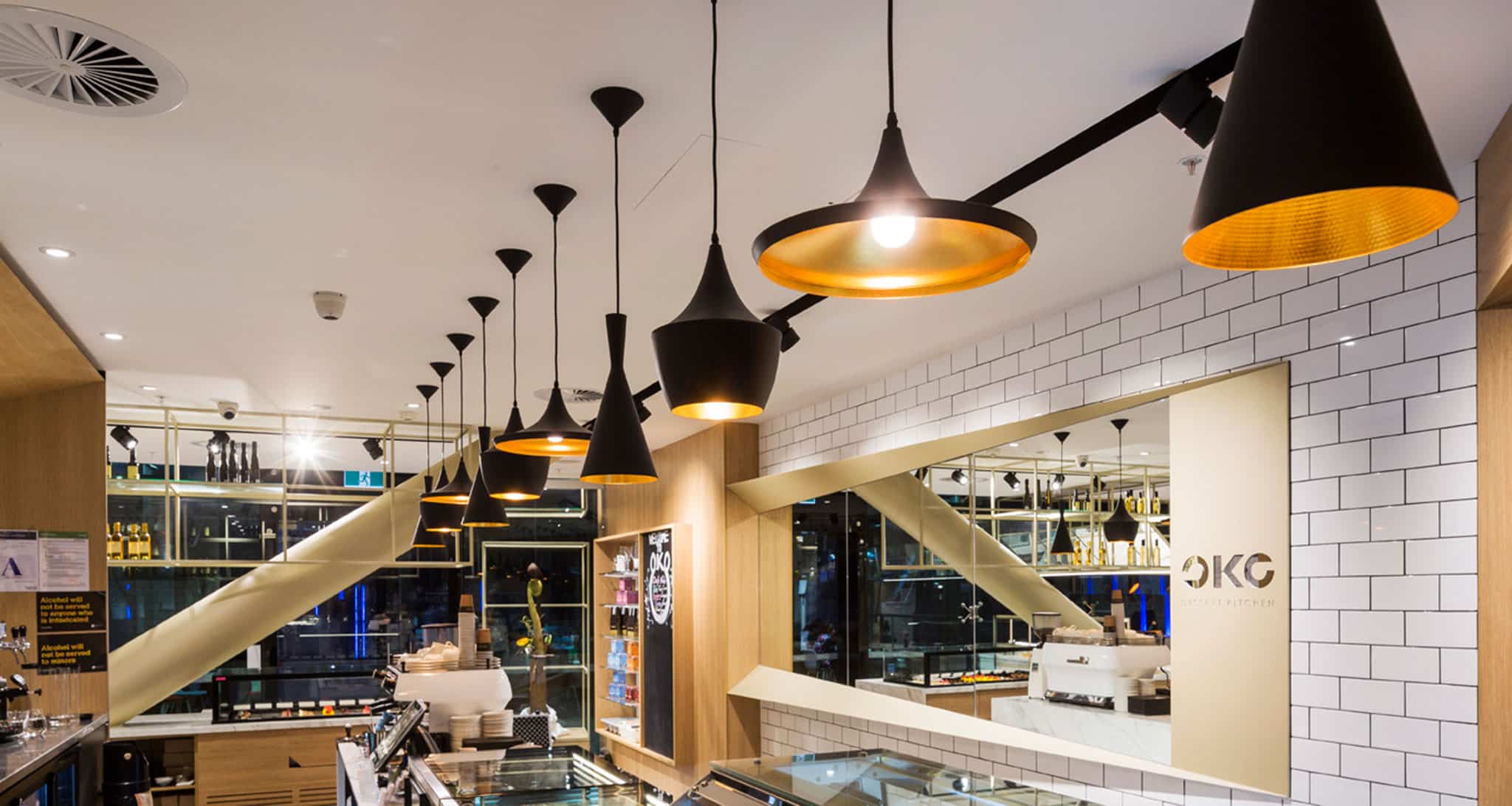
Concept Design is where the ideas gathered during Preliminary Design get shaped into an actual direction for the space: a defined layout, a material and finish palette, and a clear sense of how the brand will feel once you’re standing inside it. It’s the second stage of our five-stage design process, and it’s where a project stops being a set of ideas and starts looking like a place.
What gets decided at this stage
Our multi-disciplinary team of registered architects, interior and retail designers, and technicians takes the brief and the preliminary options and commits to one spatial direction. That means working out how people move through the space, where key functions sit (counters, displays, seating, storage, back-of-house), and how the layout supports the way your business actually operates day to day. Alongside the plan, we develop the material and finish direction: flooring, wall treatments, lighting character, joinery, colour. None of these choices get made in isolation. Design sells” is the studio’s founding belief, and it means every layout and material decision is weighed against how it will perform for your business, not just how it photographs.
How the concept is presented and signed off
You won’t be handed technical drawings at this point. We present the concept through spatial diagrams that explain the layout logic, alongside concept boards that bring together materials, finishes, and imagery so you can see and feel the direction before anything is built. Principal Mark Gascoigne and the team walk you through the reasoning behind each call, why this layout, why these materials, why this brand expression, so you understand the thinking, not just the outcome. Before the project moves into Developed Design, you sign off on that core direction: the spatial layout, the material and finish palette, and the overall brand expression. Not every detail is locked at this point, but the framework is. With 170+ design awards across our work, we’ve found the strongest projects are the ones where this framework is clear and agreed before the detailed development begins, so nothing needs to be unpicked later.